There are days I don’t even recognize myself; days that feel too hard, too mean, too painful; days I just do not want to enter. I react to others in ways that don’t feel kind. Sometimes I let my fear and grief turn into anger. Do you have days in your life like that too? I’m guessing so. I don’t think this is unique to me.
During my years of teaching middle school, I knew that each day could be a day that at least one of my students didn’t want to come to school. . . or study writing or history. It was always important to me to connect with ALL students, wherever they were at in the moment. But honestly, some moments were incredibly difficult. One memory comes to mind in particular: I was working hard to convince one 7th grade student to begin writing (I don’t remember what about). The point is that I remember encouraging him to begin by writing something and he refused repeatedly. Instead, he insisted on doing nothing. We were both so frustrated. At the end of that class period, this student left in a hurry and as I tidied up the classroom, I found a note crumpled on the ground.
Now, I’m always curious about written notes wherever I find them, so of course I smoothed it out and read the words. This note turned out to be from this unwilling writer to another student and it said something like: “Mrs. Forney is so mean. I hate her so much.” This was 15 years ago, and this memory is still so vivid—that’s how much I was impacted by those written words. I felt so misunderstood in that moment (as I’m sure the unwilling student felt this too). I felt as if I couldn’t express my desire to help him and he was not listening to my way of helping. That’s it, I felt helpless, and it was so painful to me. I’m sad about the fact that I never understood or was understood by this student and maybe that’s why the memory is so vivid.
Everyone has different ways of expressing difficult feelings. Thankfully we learn more helpful ways of expressing ourselves as we grow and interact with the world. I recently read a story* about a medical doctor who supervised residents at a pediatric hospital.
One resident was sent to her for individual meetings because he was angry and surly with his colleagues regularly the director of the hospital thought it might help him. For a month they met one-on-one and mostly the doctor just listened to the resident complain about how his colleagues were not helping patients as much as they should. He was angry and felt that most of those working around him were callous, stupid, or uncaring. The doctor meeting with him helped him see that there might be an underlying reason for his rage. He asked her, “Why are things like this? Why are children suffering?” and he cried.
At their final meeting, the supervising doctor asked the resident if he would try some imagery. After first refusing, he ended up agreeing to it. The doctor asked him to allow an image to come that was related to the suffering and the meaning of his work as a pediatrician. He found an image immediately and described it:
The image was of a young man, wearing a long white robe and sandals, with a beard. He went on to say the figure looked weak and soft, and just stood there. “He’s just standing there looking at me,” the resident said, “with his arms out. . . this guy could just stand there with his arms out like this forever and ever.” Next, the resident saw a little bird land in the figure’s hand. Both the doctor and resident realized he was describing St. Francis of Assisi.
It turns out this resident had great respect for the historical figure of Brother Francis. He looked up to him for his love, kindness, and care of animals. In other words, this resident aspired to be like Brother Francis. The supervising doctor helped this resident remember why he was drawn to pediatrics in the first place, and to move past his criticism of his colleagues. She helped him recognize his grief of seeing children suffer was coming out as anger toward those he worked with. This supervisor went on to see many young people of vision who suffer from a deep sense of difference. She said, “They may first need to abandon their resentment of the way things are in order to begin repairing the world.”
Here’s what I think. We are reminded through scripture today that none of us has ever seen God. God was revealed to us through Jesus and his life here. But sometimes we humans have a hard time recognizing God, revealed through Jesus, in modern day life.
John 1:9 says: “The Word was coming into the world—was in the world—and though the world was made through the Word, the world didn’t recognize it. Though the Word came to its own realm, the Word’s own people didn’t accept it.”
I think this can make it challenging to recognize God’s love in and through others, not to mention in and through ourselves. It might seem like I’ve strayed a little from our scriptures by telling you these two stories, but please stick with me. In Ephesians 1 we heard, “Before the world began, God chose us in Christ to be holy and blameless and to be full of love; God likewise predestined us through Christ Jesus to be adopted children—such was God’s pleasure and will—that everyone might praise the glory of God’s grace which was freely bestowed on us in God’s beloved, Jesus Christ.”
So, we are taught, through scripture, to see Jesus as the light radiating the love of God, and then to be like Jesus through our own lives, illuminating the world around us.
Well, some days it’s easier to do this than others, isn’t it? Like I said at the beginning, some days I let anger/fear/grief get the better of me and it’s then that I can’t recognize myself, or Jesus’ light in me. Each day (each hour, each minute) I have another chance to start again on this idea of radiating God’s love to the world around me. We all do. And, we are human, so of course there will be some days that are harder than others. Since we are all human, interactions between us can add light or make it harder to see the light of God’s love.
What I hear God saying through these scriptures though, is to keep trying. To remember that each of us is a child of God. . . beloved. . . and can illuminate the world around us. Thomas Merton (the former bohemian New York literary figure who became a monk) wrote:
It is a glorious destiny to be a member of the human race, though it is a race dedicated to many absurdities and one which makes many terrible mistakes; yet, with all that, God gloried in becoming a member of the human race. A member of the human race! To think that such a commonplace realization should suddenly seem like news that one holds the winning ticket in a cosmic sweepstake.
I have the immense joy of being human, a member of a race in which God became incarnate. As if the sorrows and stupidities of the human condition could overwhelm me, now I realize what we all are. And if only everybody could realize this! But it cannot be explained. There is no way of telling people that they are all walking around shining like the sun.
As our scripture from Ephesians tells us: “God has taken pleasure in revealing the mystery of the plan through Christ, to be carried out in the fullness of time; namely, to bring all things—in heaven and on earth—together in Christ.”
My question for each of us is this: how do we plan to join God’s plan of bringing all things (in heaven and on earth) together in Christ? I don’t have an answer formulated for myself, but I do know I can feel it when I’m on the right path. Those are the moments in my life when I can recognize ‘myself’ and feel peaceful within my own body.
* From My Grandfather’s Blessings, by Rachel Naomi Remen

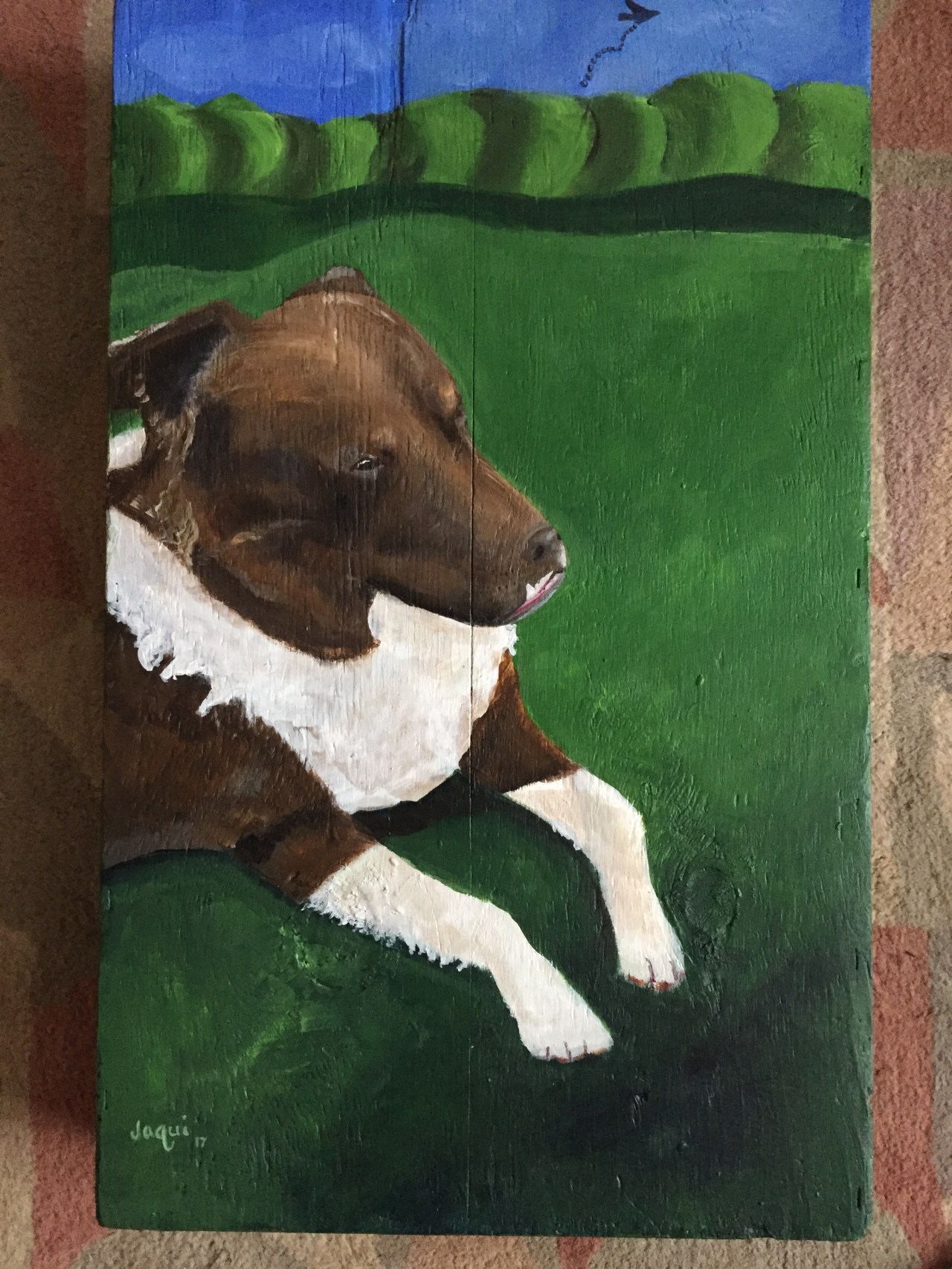

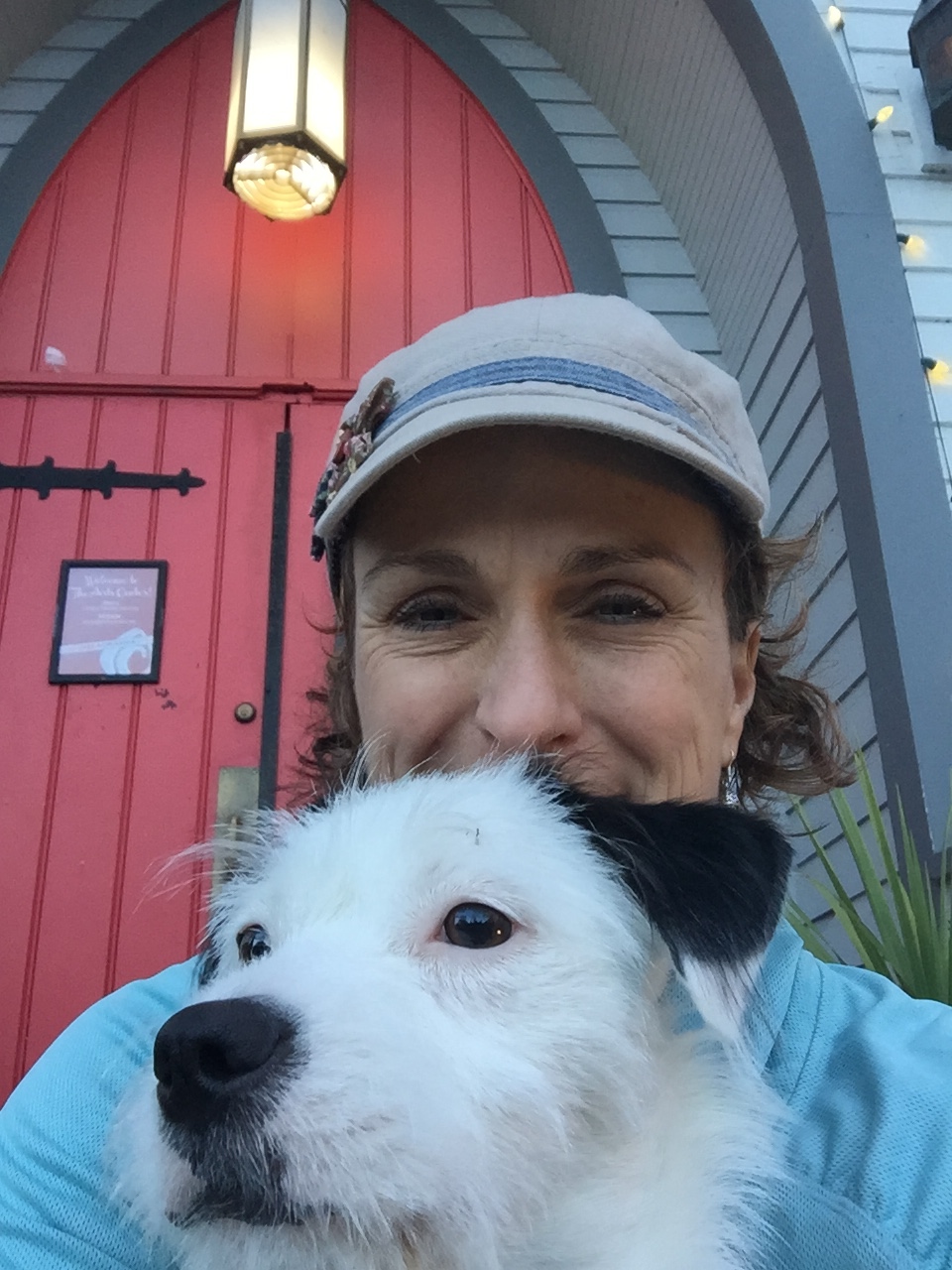
 ough I don’t find it easy to do, my goal is to focus on those I meet face-to-face in my neighborhood more than I focus on our national political scene and what I can’t change. The thing is, since I’ve been locally focused, I have been impressed by the beauty around me; in the people I know (and those I don’t know) that pass through my days here in Corvallis, Oregon.
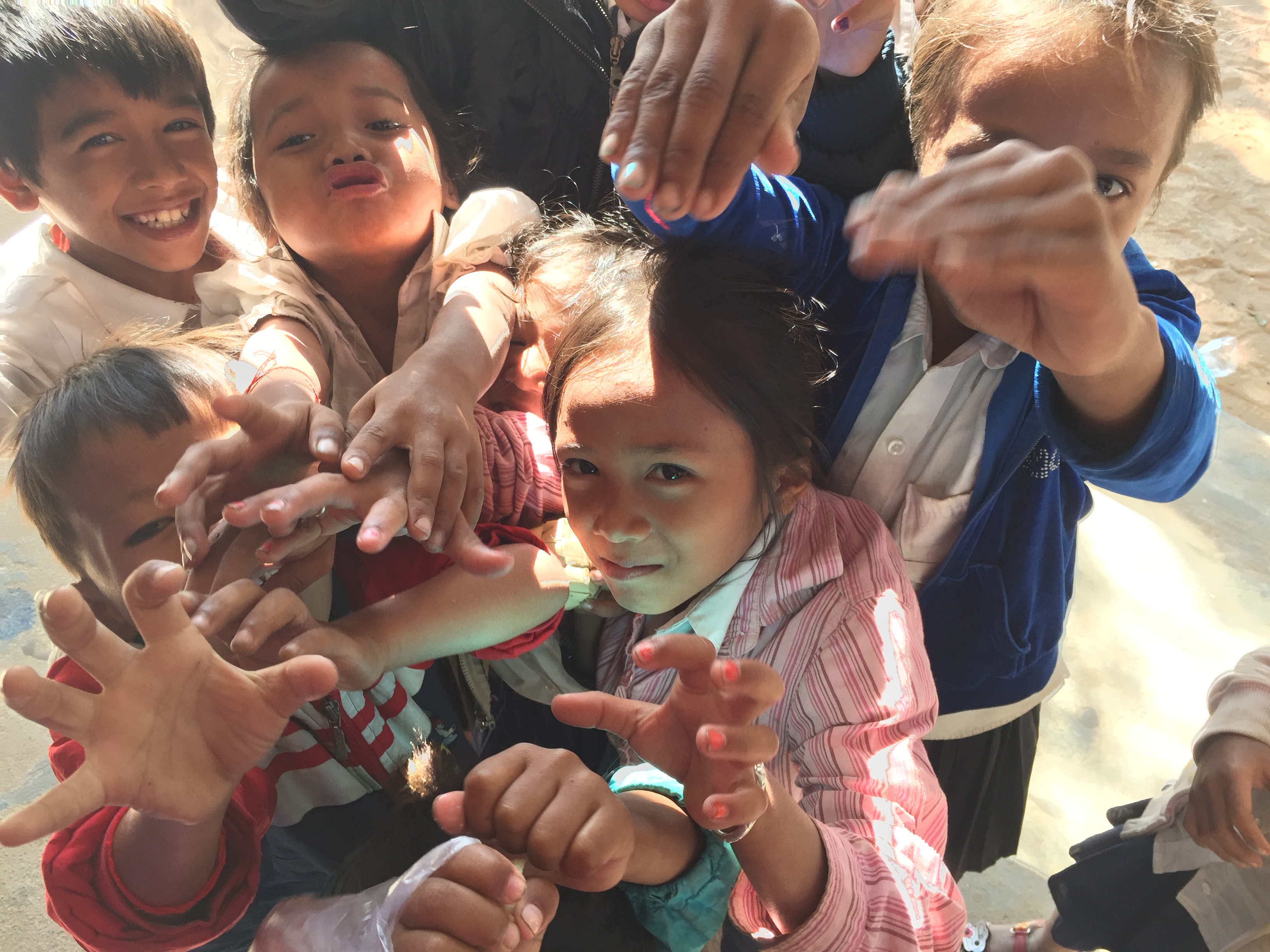 After leaving my two-week teaching assignment in Cambodia (which is after I left my 17 year teaching assignment in Oregon), I neglected to write about The Silent Boy, though his story continues to weave itself through my own being ever since meeting him. Just yesterday, at the fragile point of tears, I thought of him again and his immense strength; I wished then that I could have borrowed some of it.
 Jaqui Eicher