My Type of Gratitude List, No. 10

November 4, 2023: I am grateful beyond measure for Drift Creek Camp and beloved friends to share it with.

November 9, 2023: I am grateful for sun breaks on rainy days in November.

November 16, 2023: I am grateful for cortisone shots in the heel. That’s right–you heard me. Anything to help plantar fasciitis.

November 17, 2023: I am grateful for friends who can help me move large items when I really need help. #dumbdelivery.

November 24, 2023: I am grateful for friends who accept me as I am.

November 29, 2023: I am grateful for sunlight.

My Type of Gratitude List, No. 6

July 1, 2023: I am grateful for the number one, which does not exist on this typewriter. I use the Roman Numeral. Of course this leaves me so grateful that I am able to improvise.

July 4, 2023: I am grateful for friends who understand my sensitivity to sound as well as Pearl’s special sensitivities. This is a challenging day for us and I am grateful for friends who respect us and understand.

July 5, 2023: I am grateful for language. Also, I am grateful for a certain 2 year old who loves language so much that the words cocoon and raccoon, when said together, makes him laugh.

July 10, 2023: I am grateful for children who tell me what they think. I trust children to be real with me, which means when one tells me I smile ‘like God’ I feel like I’ve been given a gift.

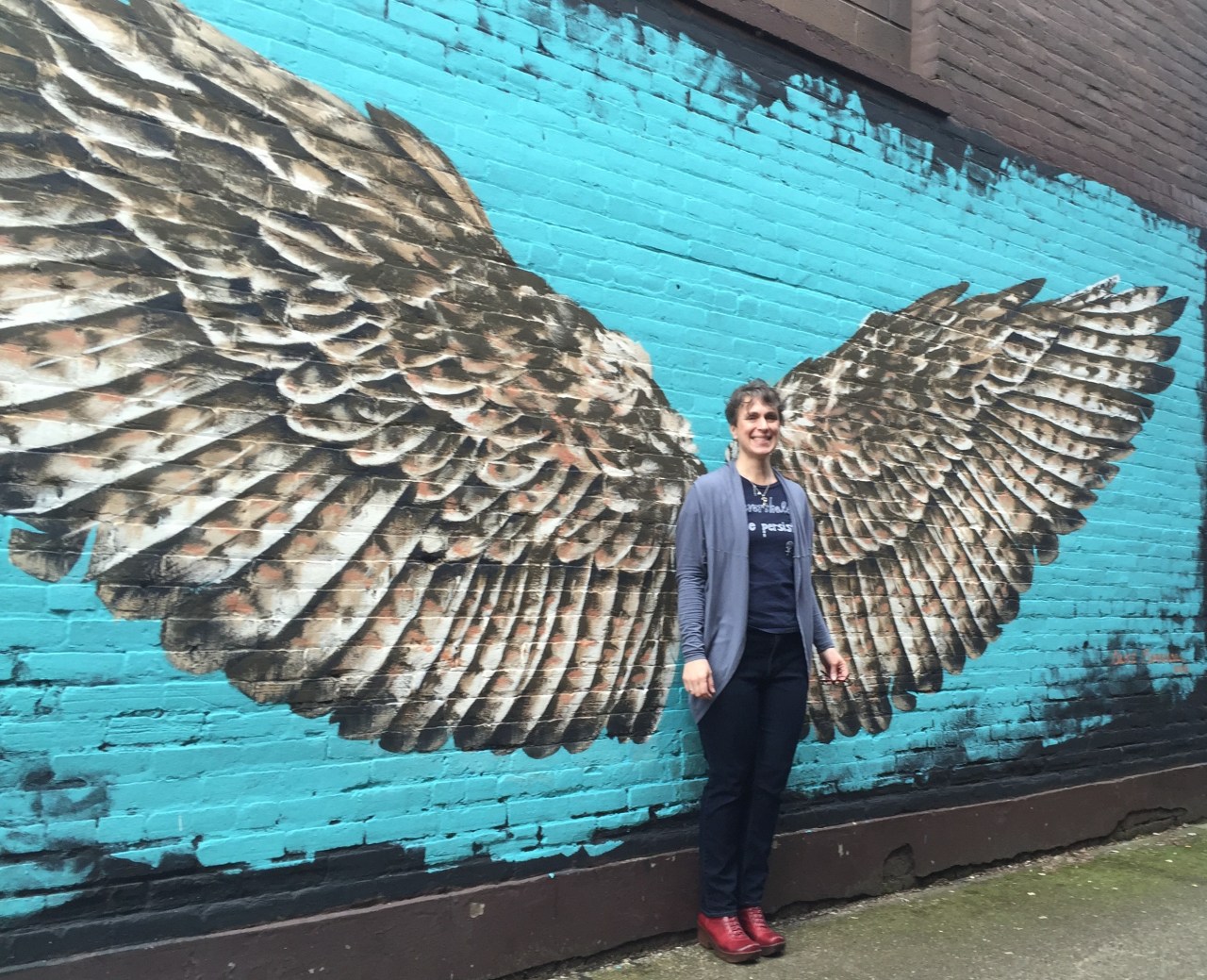
July 12, 2023: I am grateful for walls. Being able to paint on them as a canvas brings me great joy.

July 17, 2023: I am grateful for wood, bicycle spokes, rake tines and railroad tracks, not to mention the trains that ride them. All of these materials and tools make good ingredients for kalimbas (if you know a creative soul who knows how to make them).

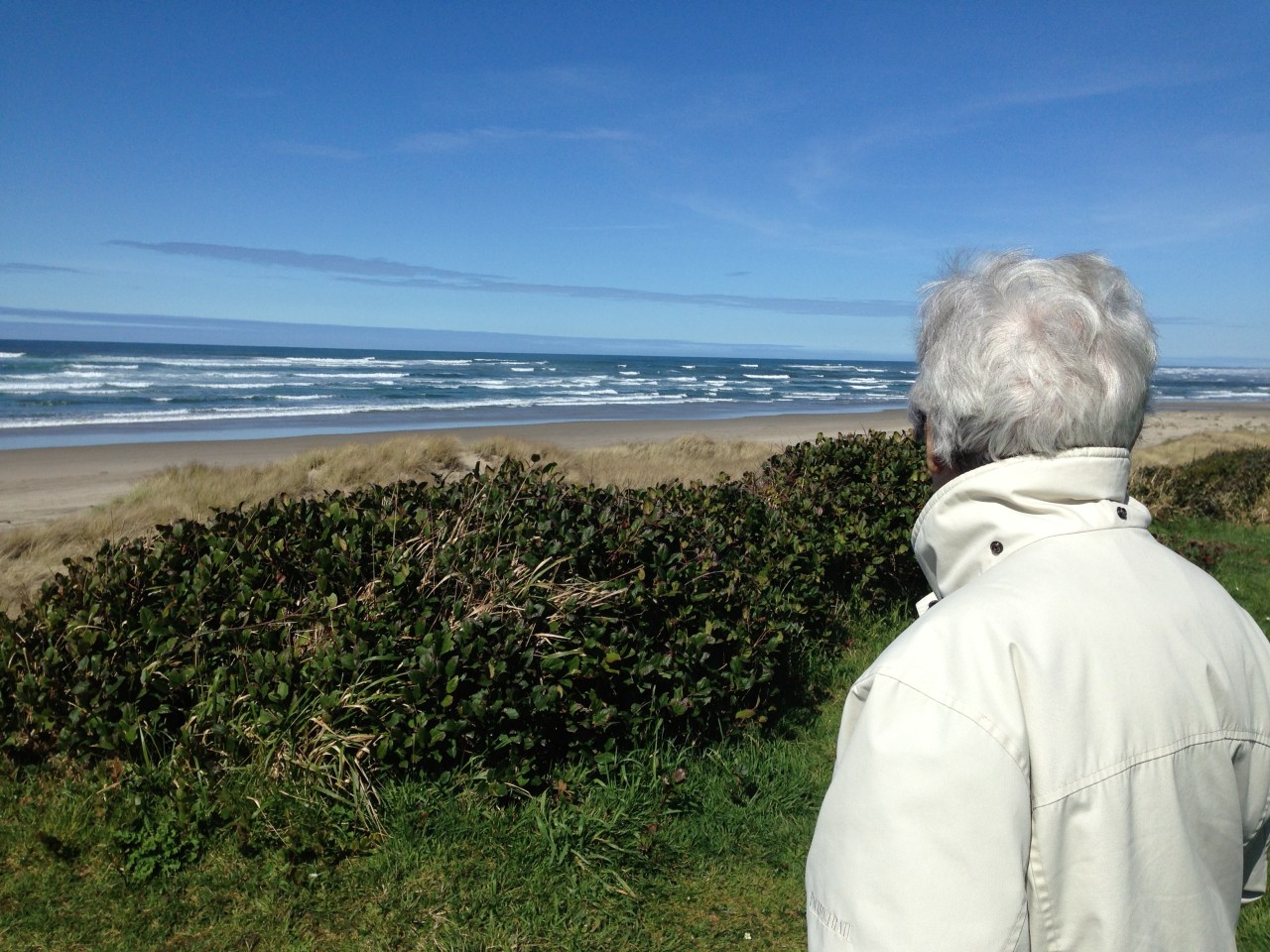
July 18, 2023: I am grateful for the ocean and sea life; for the moon that creates the tide; for the sun.

July 21, 2023: I am grateful for toilets. Life would be shitty without them.

July 22, 2023: I am grateful for antibiotics.

July 24, 2023: I am grateful for avocados and those who harvest them.

July 25, 2023: I am grateful for perfect, ripe blueberries.

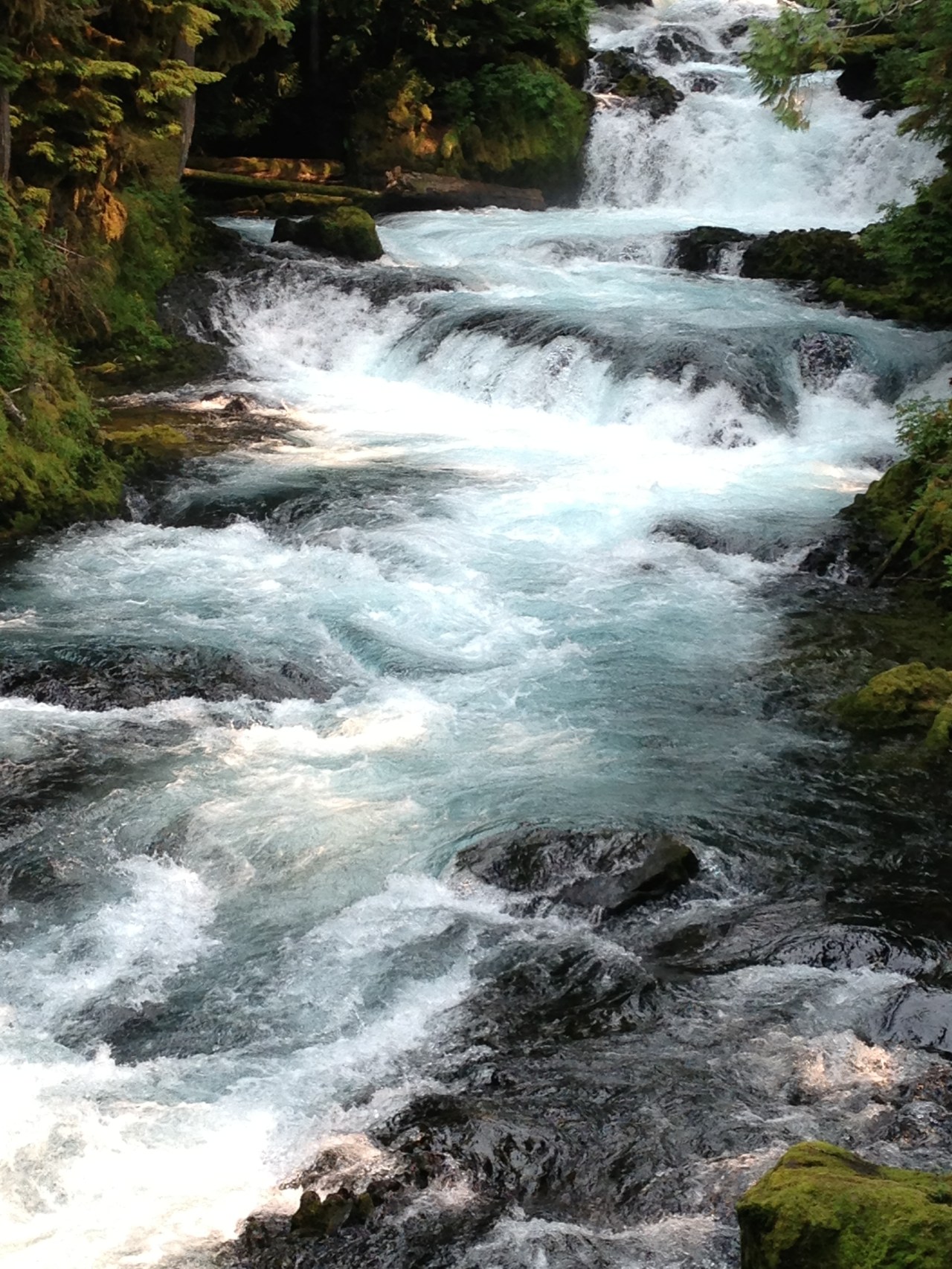
July 26, 2023: I am grateful for rivers and the water that defines them.

July 27, 2023: I am grateful for tea, and Japanese made glass tea pots that allow me to watch the leaves unfurl.

July 31, 2023: I am grateful for fresh figs, ripe and straight out of my friend’s yard to my door. I have never tasted candy so delicious.

HERITAGE JOURNALS: STORIES COLLECTED BY 6TH GRADE STUDENTS OF JAQUI EICHER, 2002

Written by: Lynn and Claudia Hoefer

“Arriving in the Dever Conner Community on June 3, 1926, the day of my birth, I was just in time to grow up in the Great Depression of 1929. A trip to Albany down an old gravel country road in the Model T Ford car without a top was seldom and an ice cream cone was a real treat. Coming home by Bob Groshong’s house was steep drop off in the road, not a gradual grade as it is now, and my father would try to slow the Model T down with one foot on the brake pedal and one foot on the reverse pedal and would would still gain speed down the hill.

“There are many memories of my early days in Dever Conner such as fishing in Wilson Lake, riding on my father’s old horse-drawn water tanker on a hot afternoon down to Blackdog Landing where river boats landed and brought and loaded much of the things needed in the community. Blackdog Landing reportedly got its name from an old black dog that would lay in the landing and greet the boats when they came in. The tanker was to haul water for spraying pesticides on my father’s hop field and we had to run a pump by hand with a 4 foot wooden handle which we pushed back and forth for about an hour to fill the tanker. Going back to the farm, we would stop in the shade of an old plum tree and let the horses rest while we had our fill of plums.

“I attended Dever School which was heated by a very large wood stove, kept full of wood by one of the boys. This was a privileged job as it broke the monotony of school each time it needed fuel. There was usually only one teacher in the two-room school and 25-30 students in 8 grades and several subjects: recitation, spelling, flash cards. The teacher did it all, and even had time to read for 10 minutes or some other interesting book, which we all looked forward to. Our teacher was also the chief disciplinarian and I remember well one young lady who on more than one occasion would test the teacher’s patience and authority with argument and stubborn rebellion until she would be forced to stay in at noon recess to continue her punishment. Being boys with inquisitive tendencies, the four of us would go around to the back of the school building to an opening in the foundation and crawl there to the underside of the room to listen in order to find out whether she’d give in before she received a good licking. We’d emerge dusty and dirty, brushing our clothes off. I don’t know if the teacher ever got wise to use or not.

“There were only gravel roads then with potholes and muddy water. Walking to school my first two years, later riding a bicycle, was how we got to school, rain or shine. Going was easier than coming home as we were riding into the wind and rain, standing on first one pedal and then the other, barely moving, sometimes even having to get off and push our bikes.

“I never attended school at Conner School. The land was donated by the Conners (relatives of my father) but we had many pie socials and Sunday School meetings in both the Conner School and the Old Dever Store. Sometimes things would get very interesting when some of the older men at the pie-socials would bid some girlfriend’s pie up high, causing much laughter and embarrassment. My mother always taught Sunday School in these old buildings, which were no doubt the forerunners of Dever Conner Church, as we know it now.

“Occasionally the boys who had to devise their own entertainment would gather in our old hop dryers, with its many ramps and catwalks, gather up corn cobs left from the corn shelling (or snow when it would happen to come around) and a real fight would ensue. Sometimes boys several years our seniors would join in and this was alright until they would decide to soak the cobs in water. Corn cobs (and snowballs) soaked in water are murder if you get hit and things would get really rough till everyone was too tired or smashed to continue. Girls were not excluded but I can’t remember of more than one or two joining in.

“Evenings were long and cold in winter: playing checkers or listening to an old Victrola with a Kerosene lamp for light in front of an old fireplace for heat (neither of which adequately served their purpose unless you were up really close.

“Among other memories was sitting between my father’s knees on an old tracklayer tractor, learning to drive down the long rows of hops or sitting with my grandmother on our front porch on a late, hot summer evening, watching sparrow hawks flutter and make their long power dive with an airplane-like sound.

“We had an old horse-drawn wagon which I will never forget for when we took it out on the gravel road the old steel rims on the wooden wheels would vibrate until it seemed your head and teeth were not a part of you and you would stand on your tiptoes to soften the beating.

“Old Dever Store and the railroad stop where Dever Conner Road crosses the railroad were not in use since I can remember but the buildings were still there. Now they are completely gone. Morningstar Grange Hall (the land for it was donated by my wife’s ancestor) was the site for many functions of the neighborhood. Grange meeting, Saturday night dances, fairs, etc.

“As times improved, cars got better and gas could be afforded. We would get someone to take us to town in Albany and when the district could not afford a bus, neighbors would chip in and fund some old school bus or an old truck. Eventually paved roads came and modern cars too. Dever Conner today is a thriving farm community with all the modern things.

“Maybe of no interest to anybody but ourselves, I married a city girl, Claudia Hannon, whose grandparents lived next door to my grandparents in the Conner community in the late 1890s. Coincidence or not, we still live on some of the original property and love Dever Conner,”

HERITAGE JOURNALS: STORIES COLLECTED BY 6TH GRADE STUDENTS OF JAQUI EICHER, 2002

“Little Woodburn, Oregon was called ‘The Berry Capitol of the World’. Maybe it still is. I don’t know because when I drive through the town now, I don’t see many berry fields anymore.

“I was raised in Woodburn. In the 3rd grade I started walking with my Grandma to the Kahut strawberry field early in the morning, when the sun was just peeking up over the hills. We would pick all day long whether it was hot or whether it was cold, until sometimes 5 in the late afternoon. The fields all over town were loaded with moms and dads and grandmas and grandpas, big children and little children.

“From the end of May to the middle of September, we were picking away — strawberries, loganberries, marionberries, raspberries, blueberries, santiamberries, and of course blackberries. Berries, berries, berries!

“After the long, hot day sometimes my mom would buy me a nice cold ice cream cone. I remember driving to the Molalla or Pudding River and jumping in ver cold water and swimming as fast as I could to warm up. It felt so refreshing after a long hot day in the berry fields.

“Then we’d eat dinner and I’d go to bed about 6:30 – 7pm. I had to get up very early, around 4 am to pick again.

“Every day I would try to beat what I picked the day before. All my money I put into my savings account. When I had enough I would buy a $25, $50, or $100 savings bond. I was saving for college. My parents would buy my clothes and things I needed.

“When I went to high school, I got a job during the summer at Conroy’s Packing Company and guess what we packed? Berries, berries and more berries! I would work 8-12 hours picking out bad berries and stems on a conveyor belt, singing songs in my mind or whistling tunes out loud. I’d try to be the fastest although I was slow by nature. And guess what I would often dream about? You got it: berries! On days the cannery wasn’t working, I was out picking in the berry fields again. I liked picking.

“I was able to pay for three years of college with my savings bond. One year at Marylhurst and two years at University of Oregon before having to take out a school loan to pay for my last year at U of O. I paid that loan off in 9 months after I graduated. Guess how? You’re right!

“Because of Woodburn, Oregon being the berry capitol of the world!”

HERITAGE JOURNALS: STORIES COLLECTED BY 6TH GRADE STUDENTS OF JAQUI EICHER, 2002

Life in Little Norway

“In the 1920s and ’30s there were several Norwegian families living in Evans Valley (Silverton, Oregon). Among them were the Rue, Langsev and Brenden families.

“All the neighbors would often walk together (20 or 25 people) to each others’ homes when there was birthday to celebrate. They brought sandwiches and goodies to share. They made lanterns from tomato cans because they were larger than other cans. Bailing wire made the handle and a candle inserted from the bottom made their flashlight. They played card games after dark.

“There were small farms through the valley. A truck from the Rose Valley Creamery in Mt. Angel traveled through the countryside, picking up mild cans that were left out by the road for them. If they needed butter, they would leave on big rock on top of the can. If they needed cheese, they left two rocks. They had tried leaving notes but they would blow away.

“The valley was a happy place in those days.”

How To Saunter

(For Owen)

Forget what you left behind if possible; think ‘wander’,

Look ahead, nonchalantly, toward the path,

Only as far as the flowers and

the birds that have nested near the climbing hydrangea.

While we’re on the subject of birds,

study them quietly — let them teach

you about what’s important; notice

their priorities (do they spend time worrying over small things?).

Sauntering requires that you dismiss

the minute, mundane worries of life

and remain free to inhabit

the joyful moments of life instead.

To enjoy life, even the slightest bit,

one must saunter.

Up From the River Smiling

A friend once told me she met

her future husband just after

a turbulent river tossed

her out of her small kayak.

My friend, being who she is, showed

up from beneath the icy water

laughing — her bright smile stretched

across her triumphant face.

The man, knowing his own need,

asked, “who is this woman

that came up from dangerous

water smiling?”

He asked to meet her on dry ground.

They loved well and married,

carried out to the sea of life

by that river-smiling moment.

I wonder how I, being who I am,

could meet another who is able

to come up from the river smiling.

I’m familiar with icy water, dangerous

and turbulent; I watch it carefully,

hopeful to someday see the one

who comes up from the river

with a smile on his face.

No Monsters Here

(a poem written for my students in 2011, after news of a school shooting incident)

Four walls around us protect

Not only from the elements,

But from the ‘Out There’;


In here, there are no monsters;

Hydras, Chimeras, Griffins

and Dragons, STAY OUT!


There is a bubble around

Us–we are safe and sound.

Even if you pound, pound, pound,


We won’t worry because

In this room no monsters

Roam; we shine in this room.

Some of Us Crawl

“It is legitimate to crawl after the wings are broken.” William Stafford


To have wings is to have hope.

So much like a bird,

hope soars overhead, urging

us all (those of us broken and hopeless)

to look up; look out of ourselves.

But it seems too easy to look in

and see the ragged absence of wings.


Though some of us do crawl.


I crawl, dragging myself forward.

The shadow in my path, gone first,

then returning.

I look up–

There is a surge of joy in me!

To see hope like this is to see the future.

HERITAGE JOURNALS: STORIES COLLECTED BY 6TH GRADE STUDENTS OF JAQUI EICHER, 2002

Tobogganing When I Was a Boy

East of Salem there is a small community called Pratum. This is where I grew up. About 1/2 mile East of Pratum there is a river called the Pudding River.

One Winter day it snowed a lot–12 inches–and it was cold, as the snow did not melt.

A group of boys, including my older brother (6 years older than I), had a toboggan which would hold about 5 fellows. We got it out and started going down a nice hill toward the Pudding River. There was an old rail fence made out of wood at the bottom of the hill, next to the river.

When we went down the hill we would stop approximately 100 or 150 feet short of the rail fence. “Oh, what fun!” We were having a great time when the older boys came and took the toboggan. When they got tired of it, we were back at it again.

That evening they got buckets of water and put it on the hill. The temperature was cold, so the water turned to ice.

Well, the next morning was Saturday, so no school. Us little guts got up early and beat the older boys to the toboggan. We were having lots of fun and would stop before the rail fence. The older boys came and took the toboggan away from us. We thought that was so mean. They got on the toboggan and went down the hill just zooming. When they got to the bottom of the hill, they couldn’t stop. They went right through the rail fence and onto the ice on the river. The ice was not thick enough to hold all the weight and they broke through the ice. All the boys went in the river. The water was only about three feet there, but they all got sopping wet.

Well, do you know what? Us little guys were able to toboggan the rest of the day. The older guys had had it. This happened about 1940. “Oh, what fun!”

–John Wenger