Cultivate Simplicity, No. 1

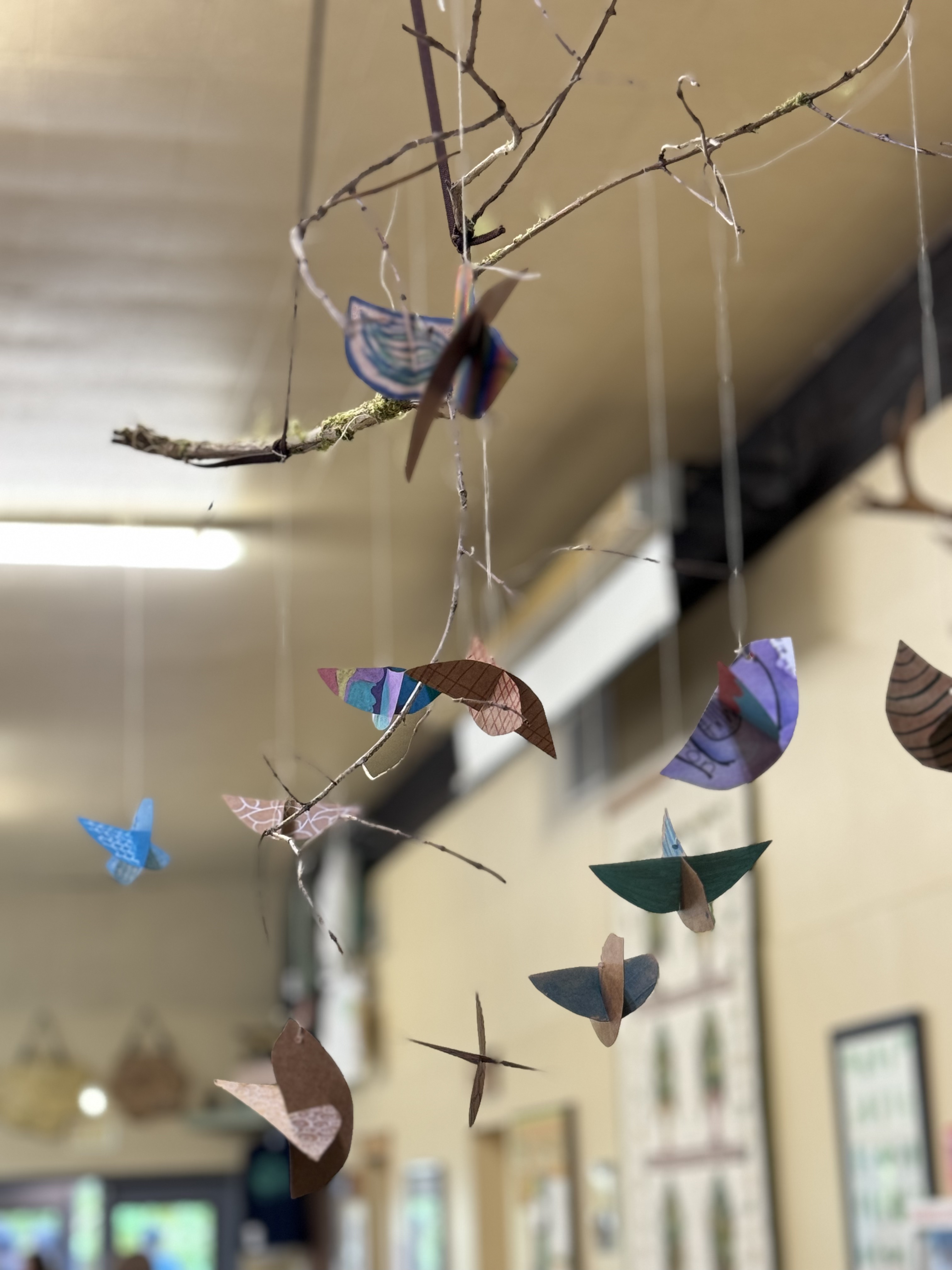
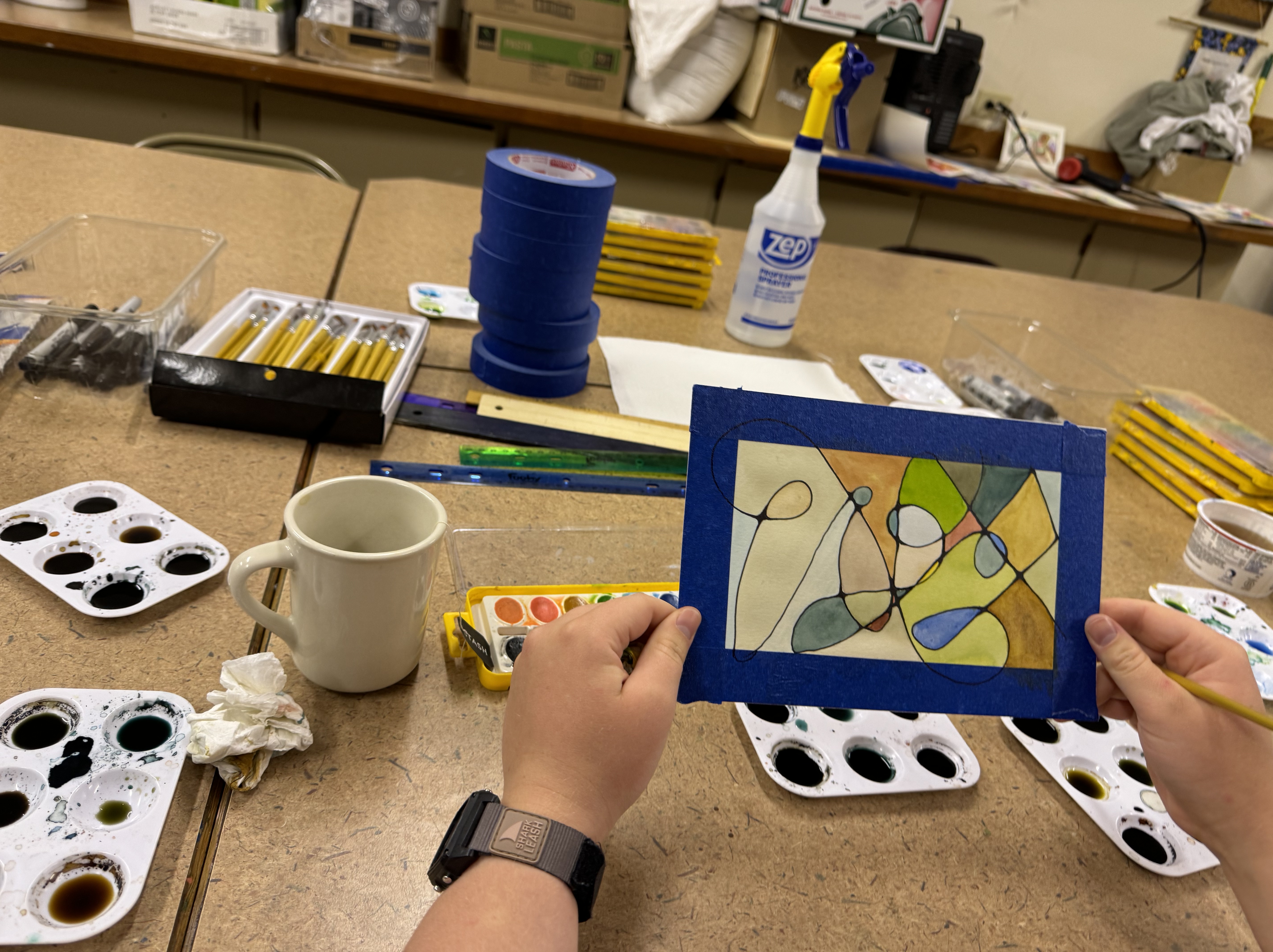
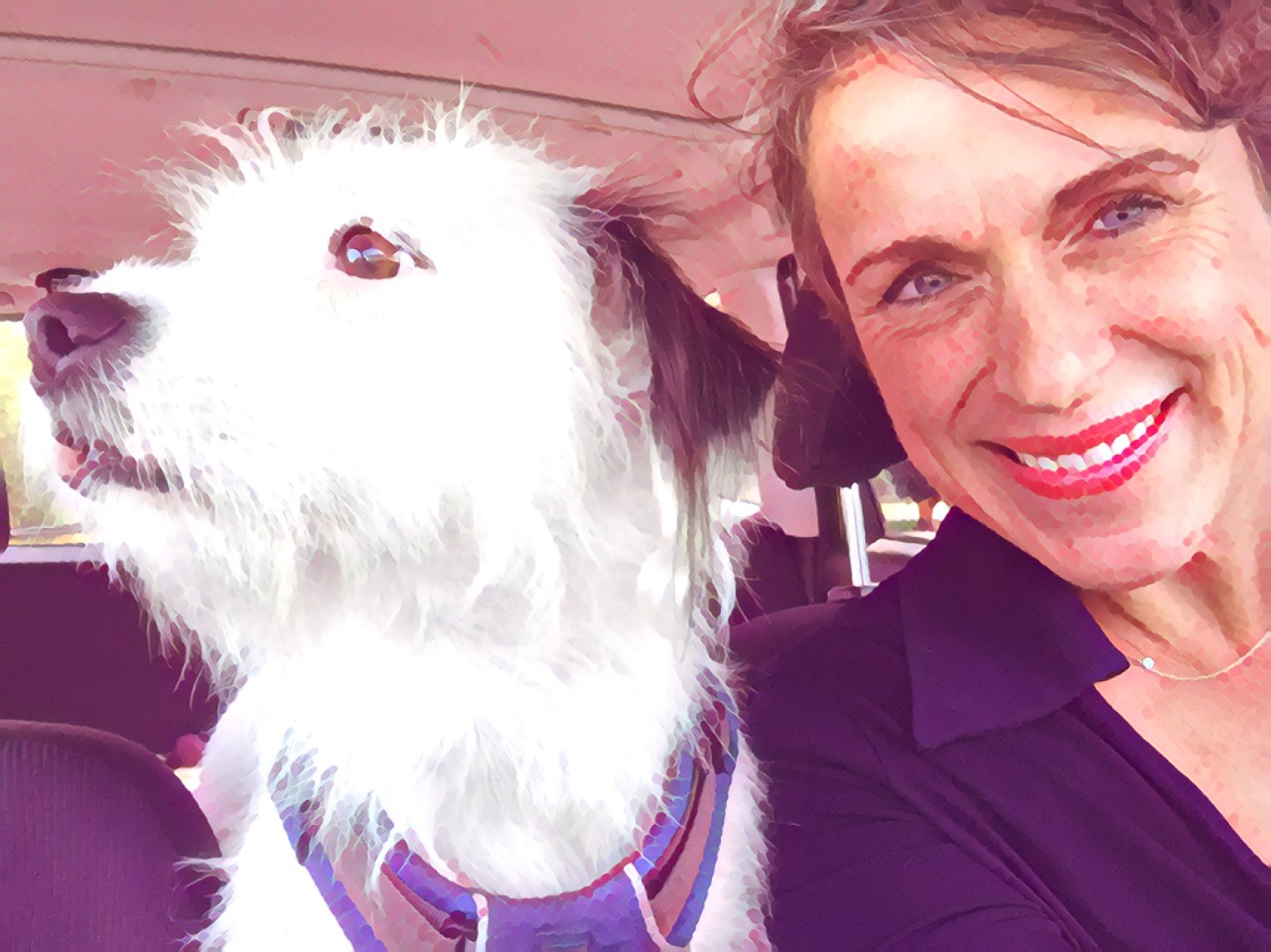
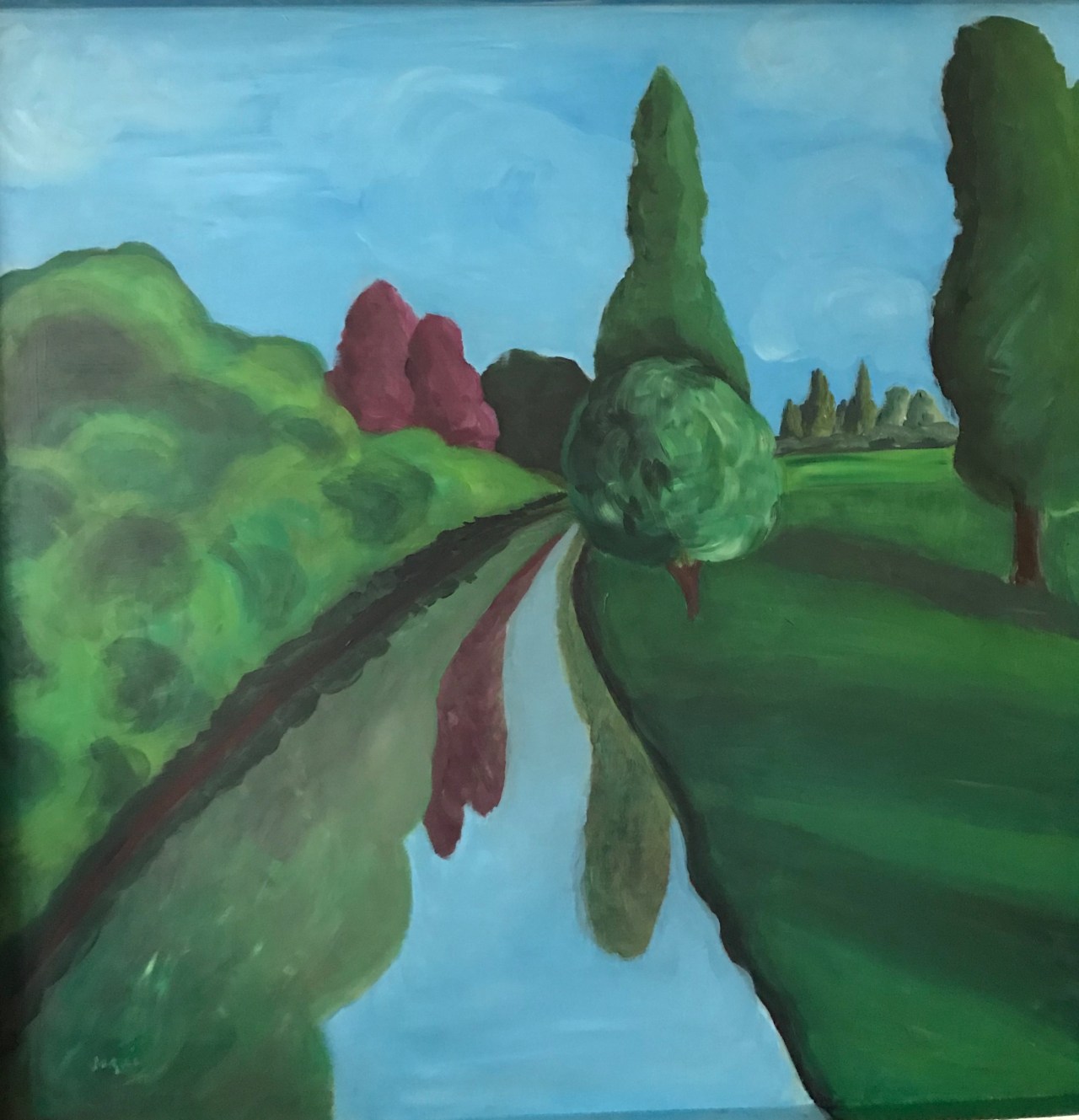
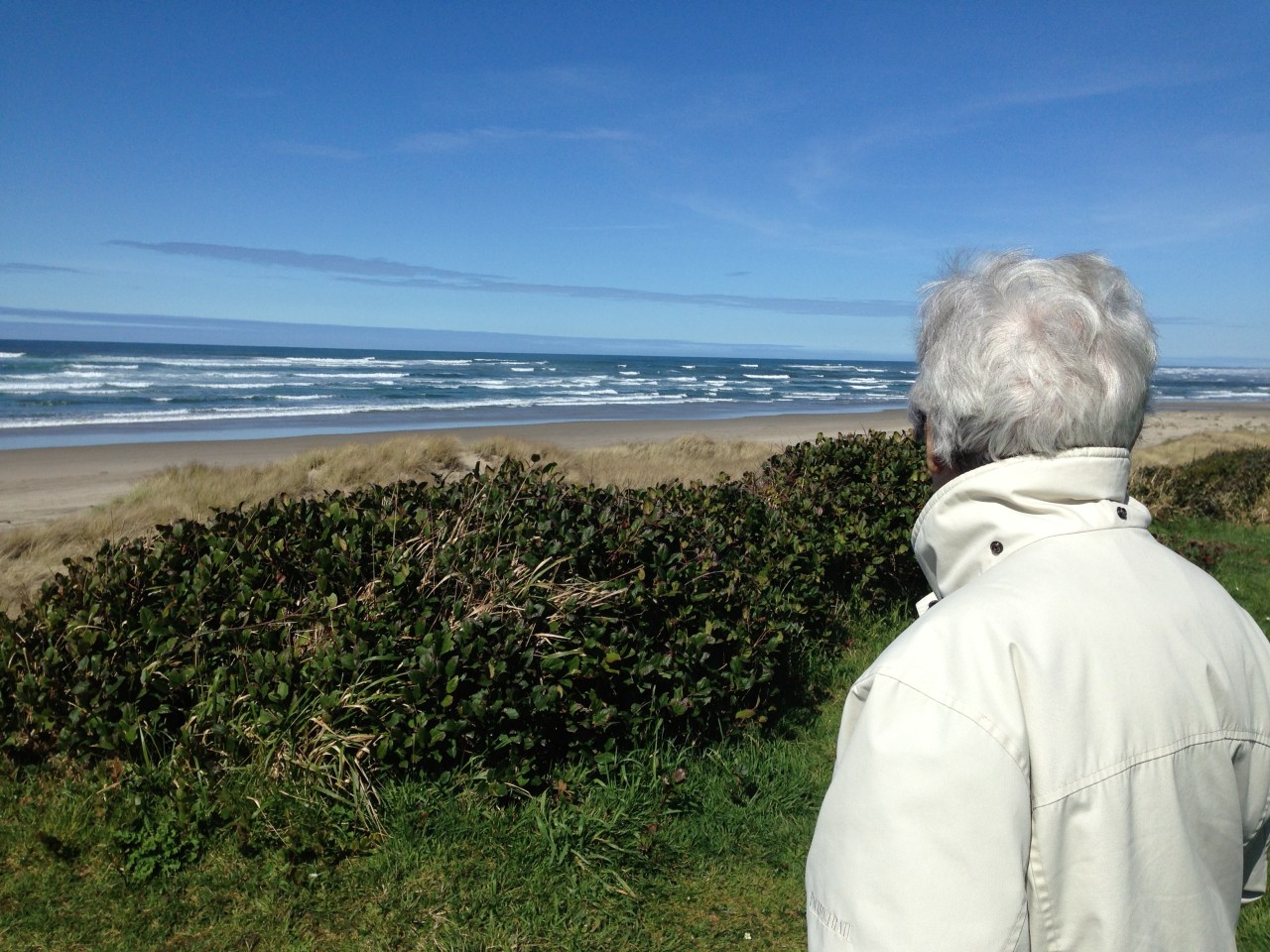
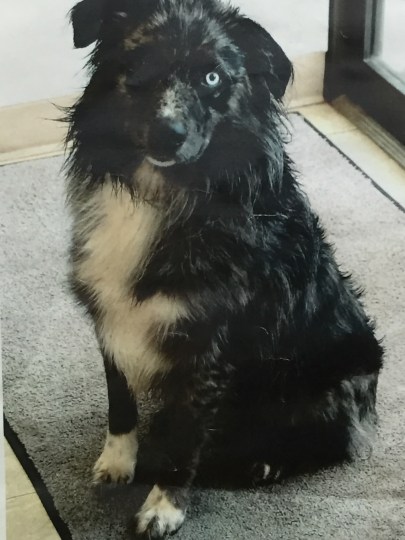
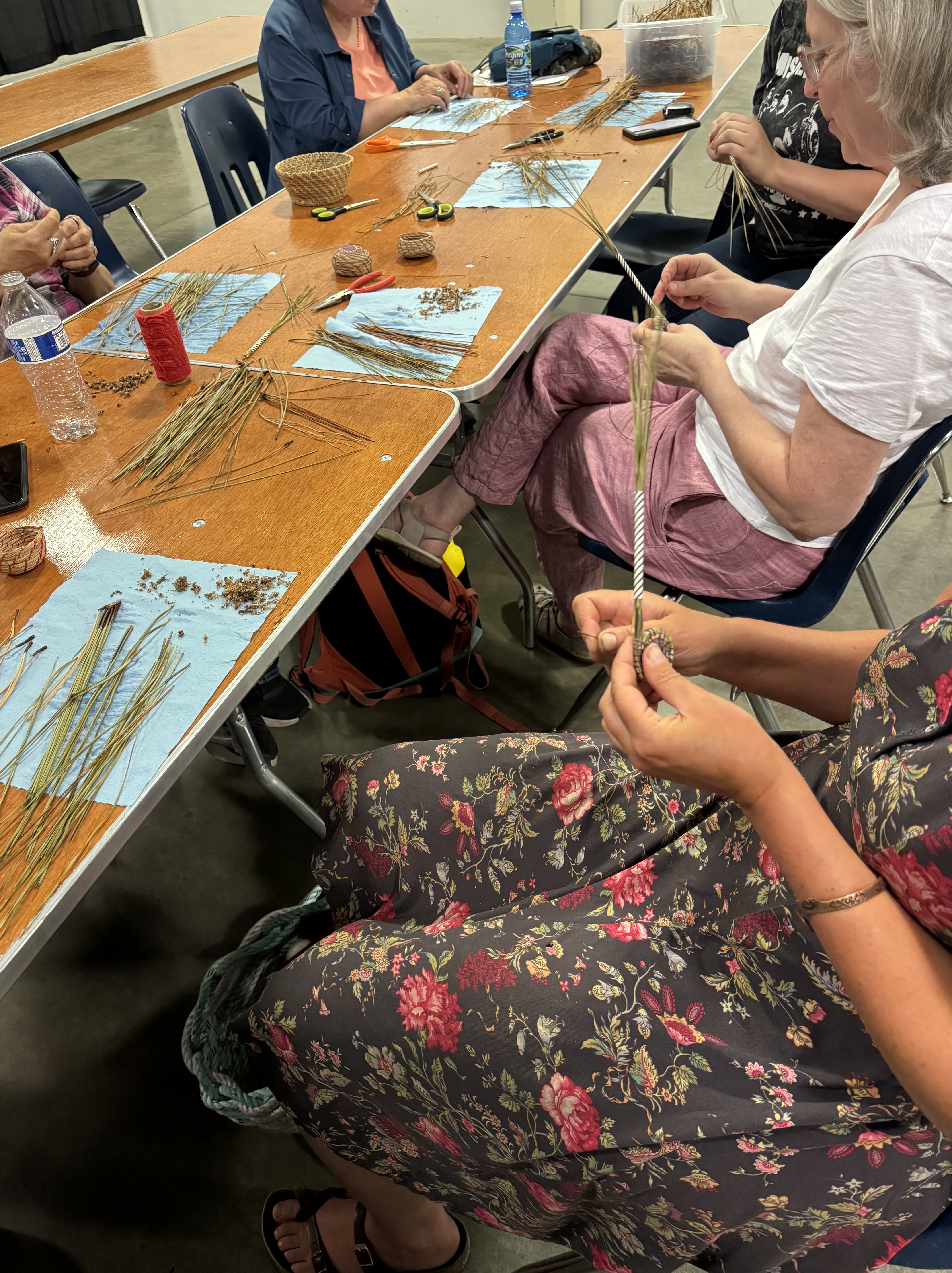
More art in more places. More art at Drift Creek Camp, in the Siuslaw National Forest; more art using gifts from the forest collected on walks with my sweet dog, just minutes from my home. Last week high school age humans created Neurographic art and recycled cardboard bird mobiles and adult humans learned to make pine needle baskets that fit neatly in the palm of their hand. We all paid attention to things that matter, like kindness and empathy and words.

Creating a pine needle basket is an intuitive process. Your hands feel when the bundle of hydrated needles want to start the upward shape of the side of the basket. There is no such thing as a machine-made basket; human hands make them. I noticed, while teaching adults the first simple stitch in basketry, that the word oblique (when offered by a student) to describe what I was demonstrating, felt wildly out of place–but it wasn’t wrong. At the end of the class, we talked about that word and how we all react to words and how we use them differently.

The high school age humans listened as I described the multitude of choices they could make as we progressed through the steps in creating Neurographic art, recognizing that in a world where it feels like they have control of so little, this could feel like a gift. My dear friend Brenda pointed out that using watercolor can also feel like letting go of control (also a gift).

I love this work, and I get tired. After this weekend of another pine needle basket making class at Black Sheep Gathering in Albany, I’m taking a little break from teaching art. I’ll be painting pet portraits instead* while I process all the learning I’ve done this week while I taught.

* I just realized I’m painting a cat named Tommy and a dog named Jerry. That’s fun.

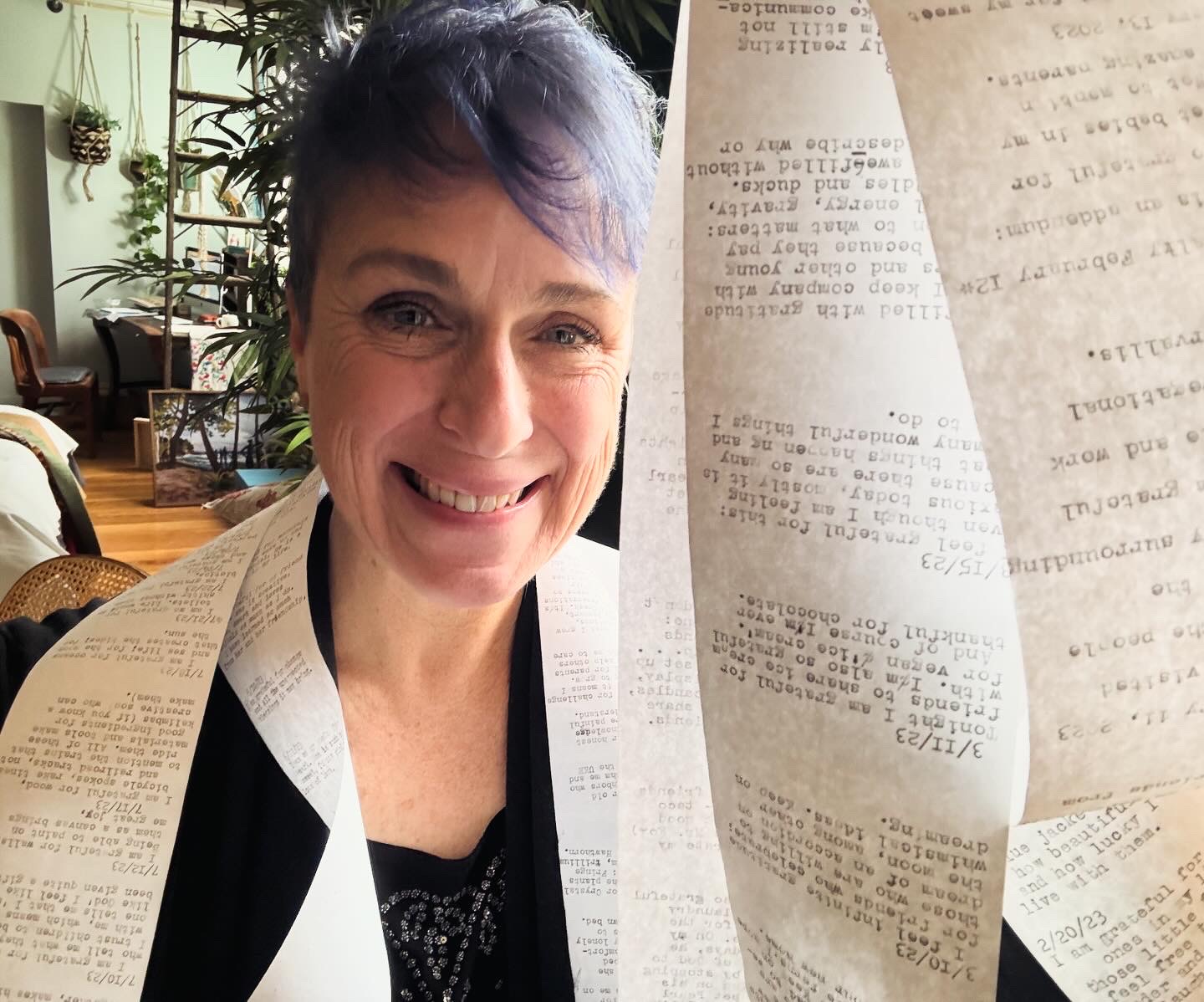
My Type of Gratitude List, No. 6

July 1, 2023: I am grateful for the number one, which does not exist on this typewriter. I use the Roman Numeral. Of course this leaves me so grateful that I am able to improvise.

July 4, 2023: I am grateful for friends who understand my sensitivity to sound as well as Pearl’s special sensitivities. This is a challenging day for us and I am grateful for friends who respect us and understand.

July 5, 2023: I am grateful for language. Also, I am grateful for a certain 2 year old who loves language so much that the words cocoon and raccoon, when said together, makes him laugh.

July 10, 2023: I am grateful for children who tell me what they think. I trust children to be real with me, which means when one tells me I smile ‘like God’ I feel like I’ve been given a gift.

July 12, 2023: I am grateful for walls. Being able to paint on them as a canvas brings me great joy.

July 17, 2023: I am grateful for wood, bicycle spokes, rake tines and railroad tracks, not to mention the trains that ride them. All of these materials and tools make good ingredients for kalimbas (if you know a creative soul who knows how to make them).

July 18, 2023: I am grateful for the ocean and sea life; for the moon that creates the tide; for the sun.

July 21, 2023: I am grateful for toilets. Life would be shitty without them.

July 22, 2023: I am grateful for antibiotics.

July 24, 2023: I am grateful for avocados and those who harvest them.

July 25, 2023: I am grateful for perfect, ripe blueberries.

July 26, 2023: I am grateful for rivers and the water that defines them.

July 27, 2023: I am grateful for tea, and Japanese made glass tea pots that allow me to watch the leaves unfurl.

July 31, 2023: I am grateful for fresh figs, ripe and straight out of my friend’s yard to my door. I have never tasted candy so delicious.

Trampling

My philosophical quandaries often come from interactions I have (or observe others having) while at the city dog park. This week has left me a feeling unsettled due to two interactions between myself and one man. To begin, I’ll say that the dog park is like my backyard; I live in an apartment and my dog Pearl and I go the three blocks just about every day so that she can say hi to her friends, especially Bob, who gives her treats. Bob is one of Pearl’s first human friends–it only took her about a year to accept him as a friend. For the year prior to this acceptance, Pearl was skeptical and kept her distance because she’s afraid of men.

This week was a rainy one and few people showed up with their dogs at the usual time. While watching Pearl investigate the empty park, I watched as a car parked, a man walked toward the dog park entrance without a dog. I stood near the gate because I know Pearl well. She is not a fan of 1. men, 2. people who come into the park without a dog, and 3. any sort of barrier. On cue, Pearl began barking at the man, who now stood inside the area between the outer and inner gates; the place where, if he’d had a dog, he would be taking off its collar before entering the main park.

The man glared at me. I assured him that Pearl is friendly, she just really hates that barrier and that once he was through the gate, she would be able to relax. What I got back was unexpectedly angry. “It looks like an untrained dog to me.” The man continued to stare at me until I said, “You could use the other entrance.” To which he replied, “Why should I? I have as much of a right to be here as anyone.” Then he walked through the gate and Pearl jumped to his hip. “Get your damned dog off of me.” I corralled Pearl and said, “Dogs pick up on your aggression.” The last thing I heard him say as he touched his thumb and forefinger together, “Dogs brains are this tiny. They don’t know anything.” Steaming, but not wanting to engage any more, I encouraged Pearl to walk to the other end of the dog park with me. As the man returned to his car and entered the street traffic, he slowly passed by while raising a finger in my direction.

Next, on another day, while at a nearby coffee shop with a friend, I watched this very man, with his Service Dog (a Rottweiler) say goodbye to the barista and my thought was, “Oh, he has a service dog, I can see that this dog may be of some help to him.”

Today, while Pearl and I were at the dog park alone two things happened at once: this man parked, got out of his car, and walked his dog to the fence while a regular dog park visitor made his way to the gate with his two large Huskies. Pearl barked at the man and his unfamiliar Rottweiler and I calmed her down and held her as the men took turns entering the park. The man with the Rottweiler said to me, “If you push down on her rump, she won’t do that anymore.” Thanking him for his advice, I walked with Pearl to the other end of the park. Pearl investigated the park with the Huskies while their owner and I chatted. The man with the Rottweiler stood against the fence for about 5 minutes. Then he came towards me and from a distance of about 20 feet said, “I remember you from the other day when your dog jumped on me.” I acknowledged him with eye contact, nodded and thought, ‘okay Jaqui, get ready to be kind and friendly because I think this man is about to acknowledge his responsibility in our first interaction days before.’

Instead, the man stared with flashing eyes, and pointed at me saying, “That day my friend was in the hospital and nearly died.” There was a pause because I didn’t reply, I just watched him. He angrily put the leash on his dog and exited the park. Not wanting to see another raised finger from him, I stood with a tree between the parking area and myself. I comforted Pearl until I was sure the man had driven away.

What I haven’t described (because I’m attempting objectivity) is how angry this man was–it came out of his pores; it was visible. I also haven’t described my physical reaction to our exchange, which was a minor panic attack (throat constricting, heart racing). I knew Pearl would pick up on my demeanor, if not also this man’s angry stance (hence the keeping her close by and comforting her).

So what I’ve been sorting out since this exchange are these questions: Why do people have to share their anger, and why at a dog park? Why do people who think dogs have tiny brains and don’t read human emotion and behavior have dogs? Why do people come in to a dog park and not expect to potentially be jumped upon by dogs? Why was this man so clearly still angry at me for the first interaction? And why does having a friend in the hospital explain poor behavior and anger toward strangers?

Follow up questions I have asked are: Why did I react so strongly? Why did I panic? What am I afraid of? Why did I let a stranger’s anger affect me? Why am I still thinking about all of this? Why do I feel such anger toward this stranger whose friend was recently in the hospital?

What I think is: I have a distaste for conflict, I am fearful that someone like this will entice Pearl to nip them and then turn me in for having a dog that bit a human, I don’t think it’s fair for such anger to be out running rampant and I think people use excuses to explain their anger toward perfect strangers. I’m also feeling upset that I am allowing someone else’s anger to color my entire week.

The truth is also this: I’m weary of attempting to understand everyone else’s reasons for their anger toward me; trying to see things from the other’s point of view; understanding where they are ‘coming from’. I’m feeling weary in this area because I sometimes feel as if others are not making the same attempt to understand or listen to me and my views. It really does come down to not feeling heard, but instead being trampled.

HERITAGE JOURNALS: STORIES COLLECTED BY 6TH GRADE STUDENTS OF JAQUI EICHER, 2002

As told by: Edward E. Kahut

“There was a woodbox along the kitchen stove. Matches were kept on the warmer. I was almost 3 years old. I would crawl up there and get those matches, so the adults moved them. But one day i stood on the woodbox and saw one match which had fallen down in the crack between two pieces of metal. I worked and worked and dug it out with my little fingers.

“I went out to the barn with the match in hand. I was thinking about how the other kids took matches, stood them on the striker and flicked them. They would light and spin like fireworks. I got down to the barn thinking to see if they hay would burn. I stuck the match on the wood like I saw my brothers do. I put it on the hay right there. Then I saw the hay would burn. I blew on it to put it out but I saw that it was over my head. So I got scared and ran to the house and hid under the bed. I stayed under there for a long time.

“The barn was burning. They didn’t know where I was. They were scared I was in the barn. I don’t remember if I came out or if they found me under there. They didn’t know I did it. They asked me and I shook my head back and forth for weeks.

News article from March 30, 1933

Three Horses Burn to Death

Woodburn — A large barn on the Joe Kahut farm two miles southeast of Woodburn was completely destroyed by fire Saturday which was thought to have started from defective wiring. Three horses were burned to death and a fourth was badly burned but may recover. 

Tony Kahut, 14, bravely entered the burning structure and led a valuable bull to safety. Two silos, one full and the other about half full of silage, a large amount of hay and other feed, a number of farm implements and several sets of harness were also destroyed. The Woodburn fire department with the chemical truck was able to save the house and other adjoining buildings. The fire broke out about 2:30 o’clock in the afternoon shortly after Kahut left for town and there was no one at home but Mrs. Kahut and six children of which Tony was the eldest. 

The barn was built about 20 years ago and was 60×60 feet in size. Loose hay in large quantities in the lower part of the barn caused the blaze to burn rapidly, and it was impossible to save anything from the burning building. The loss is estimated at $2500, partially covered by insurance. 

Sixty nine years later, the truth comes out:

One day my dad and I were on a walk together. He asked me if I did it and I told him the truth. Maybe it was six months later but it seemed like years. It was too late to give me a spanking.”

Way Into the Unknown

This new form of poetry — a single piece of plain paper,

Dimensionless, like a formless plain.

The silence and darkness coupled together

In exact and precarious balance.

I am afraid of something.

After awhile I cease looking and a quiet voice can’t restrain

A shout as I catch the significance of the words.


After what seems like a lifetime, my mind occupied

With thoughts, the moment arrives:

The words come to life and leap off the paper, aloft

With clarity. They speed along their trajectory

Like a train racing through a tunnel and burn

Their way into the unknown,

Which is always the most dangerous part.


(Jaqui Eicher, copyright 2018)

How To Saunter

(For Owen)

Forget what you left behind if possible; think ‘wander’,

Look ahead, nonchalantly, toward the path,

Only as far as the flowers and

the birds that have nested near the climbing hydrangea.

While we’re on the subject of birds,

study them quietly — let them teach

you about what’s important; notice

their priorities (do they spend time worrying over small things?).

Sauntering requires that you dismiss

the minute, mundane worries of life

and remain free to inhabit

the joyful moments of life instead.

To enjoy life, even the slightest bit,

one must saunter.

Wind Work

To be is too much work.

I crave the wild and wistful wind;

Some days my edginess creeps

in so far — there’s nothing

for it but to go out and let

the wind do its work:

soul building

grace restoring

dust clearing.

The stronger the wind, the longer

I linger. I lean on its breath.

Then, when the world again is

still and the creatures return

to industry, I feel myself moving

through and through the trees;

around and down the river,

into open meadow green and

I am as free and wild again

as the zephyrous wind.

In The Unraveling

Thread that binds us

is impossibly strong;

we are more closely knit

than we can fathom

(even if we do try

to deny this often).


Seams sometimes split;

some places need

more mending and tender

care. In mending, time

has a strengthening way

of altering the original.


Sometimes in the unraveling

we find and follow

the thread that binds us;

it’s then we see how

strong we are and what

we have been together.

Baritone Ukulele

IMG_1931.jpg

It’s time for me to tell this story–about the broken baritone ukelele, Buddy the Australian Shepherd and the artisan acoustic instrument shop on 2nd Street in Corvallis.

Just about one year ago, when I was wandering the streets of Corvallis looking for dogs to befriend, short of funds and a job, I found myself on 2nd Street. Since I had never before entered Troubador Music I decided to go in that day. The small container garden out front, mixed with the mysterious and thrilling wood and rosin smells coming from inside as I opened the door, immediately welcomed me.

Imagine a working violin shop: beautiful, well-loved instruments hung above the front counter at about head-height, a large open space which doubled as a showroom and intimate venue for evening concerts, musical sounds in the form of ‘plucks’ and ‘thumps’ coming from a back work room. That is Troubadour Music.

Since I was considering selling my hard-earned Blue Lion Mountain Dulcimer (I’d been playing Mountain Dulcimer for more than 20 years) I decided to ask about their consignment policy. Selling it would pay my living expenses for one month.

I had a lovely talk with Kent (the owner) and the kind sales associate; both gracious and helpful.

Then I had a sweet interaction with Buddy, the elderly Australian Shepherd lying on the floor at our feet. When I stood though, a catastrophe occurred. The baritone ukulele hanging above the counter met my up-coming head and bounced to the cement floor. Many emotions bounced across Kent’s face. He told me it was beyond repair due to the broken inner body. I couldn’t stop from calculating how long it was going to take me to pay for this instrument, especially since I was already having trouble paying for just my rent. Of course I was crying.

“Wait,” Kent said thoughtfully, “you were giving love to my dog when this happened. I don’t want you worry about this. In the bigger scheme of things, love is more important than money or this instrument.”We went on to talk for nearly an hour about potential jobs, including teaching English at the nearest Community College (where Kent sometimes teaches poetry).

I left that day exhausted by the event. I spent much of the following year thinking about this baritone ukulele but my energy was spent looking and trying work that suited me. I didn’t come any closer to paying for that instrument and it weighed heavily on me. My dulcimer hadn’t ended up selling, so I kept it at home with me and played it occasionally but found little joy in it since my chronic pain interfered with the playing.

My walks still took me past Troubadour Music and I frequently saw Kent and Buddy enjoying breaks outside together. Each time I’d cringe inside and remember the feeling of that ukelele hitting the concrete floor. Two weeks ago I formulated a plan: I’d leave my dulcimer as a gift for Kent. He’d be able to sell it eventually or use it himself. I set aside the perfect time and dropped it off. Tears came a little as I reminded the sales associate about that earlier baritone ukelele falling day. She told me that Kent wasn’t there, but that maybe I should reconsider. I didn’t need to pay for the broken instrument. But I was insistent and I left my name and phone number and a note explaining the gift.

Later the same day, Kent called to thank me. He invited my dog Pearl and I to visit he and Buddy at the shop any time. We have since met on the sidewalk near Toubadour Music and Pearl and Buddy instantly appreciated each other. Kent reached in his pocket, found two small treats, one for Buddy and one for Pearl. Before giving them to each dog, he kissed the treats (a trick known to increase the value of the food).

Now my walks down 2nd Street are more pleasant again. When I think of that baritone ukulele hitting the cement, I don’t feel like crying anymore.

Give It Up

Eicher Sisters 1972

Eicher Sisters 1972

In this picture, I am the smallest one, holding on to something in my left hand. It’s a scrap of paper that I wouldn’t let go of, so the photographer must have conceded and allowed me to keep it as he took the family photos. I’m not sure anyone in my family even remembers this, or notices it in the long-forgotten picture, but I think of this every time I look at it and then for many days afterward. I see a stubbornness in that little face of mine and wonder how many times my parents tried to get that paper from my hand before they finally gave up.

I can think of other examples in my young life that exemplify this characteristic trait of mine: holding on too tightly to my favorite blanket, which I finally threw in the garbage when it was ragged and in tatters, my favorite stuffed animal (which I kept until I reached the age of 35 when I finally buried it with my dear dog Zeb). My life has been one long lesson in letting things go because it seems so difficult for me. Maybe it’s difficult for everyone and they just don’t talk about it much.

Lately, I’ve had trouble letting go of stress and one thing that has brought me relief is slowly unloading the things I own by giving them away to people who will love them and use them. When my niece announced her engagement and showed us her engagement ring, I asked her if she would like to have the ring I inherited from my mom (her grandma) because it appeared to match nicely. It is a platinum band with diamonds running across it. She said yes! I didn’t think anything more about it for the past year. I felt happy because 1. my niece will have something of her grandma’s and 2. my mom’s ring would be treasured and worn every day.

Yesterday when I visited my sister, she asked me, “Do you know that ring you gave Emma is worth a lot of money?” My sister then told me she asked Emma to give the ring to her (as a joke). I explained that I really did like the ring a lot and that it is the only ring of our mom’s that I can wear since I’m allergic to gold so if Emma didn’t want it, I wouldn’t mind having it back because I wore it once in a while. Emma and her mom had taken it to be sized at the jeweler, who explained the value of the ring as he looked at it. The diamonds are big, the platinum is valuable; he said it is worth $35,000.

No wonder my sister wanted it. And I couldn’t help but immediately think of the relief my bank account would experience with that much security during this insecure time in my life. I drove home crying, which is what my sister said my niece did when she heard the value of the ring. It may be what my dad does when he finds out how much the ring is worth because I’m sure he could have used the money too. It took me all night to come to an agreement with myself about this whole experience.

I am so happy that Emma gets to wear this treasure from my mom, who believed that buying jewelry was a way of investing. We have politely scoffed at her for this after her death because she really knew how to take care of herself in this way–she spared no expense when it came to jewelry and clothing and this often caused extreme pain in her family relationships. My dad may have sold this ring, had he known how much it is worth. I may have sold it to make my monthly payments for living. My sister may have sold it too. Now that it is a permanent part of Emma’s life, it will not be sold and it is truly an inheritance from our mom, passed down a generation (after her death). I feel like letting go of this ring was the best thing to do (but I’m still dreaming of all the things I could pay for with the money).