Art at Drift Creek Camp

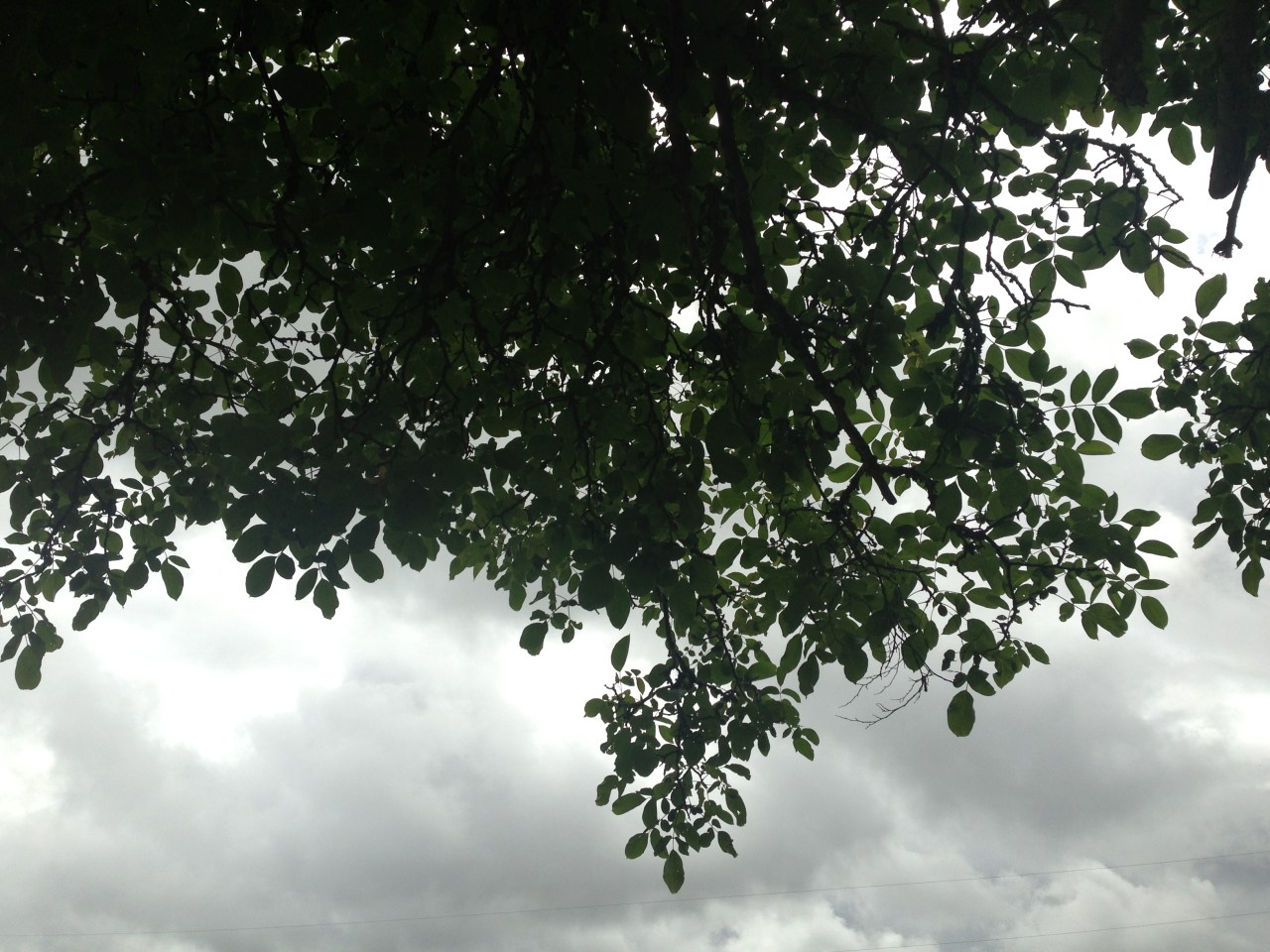
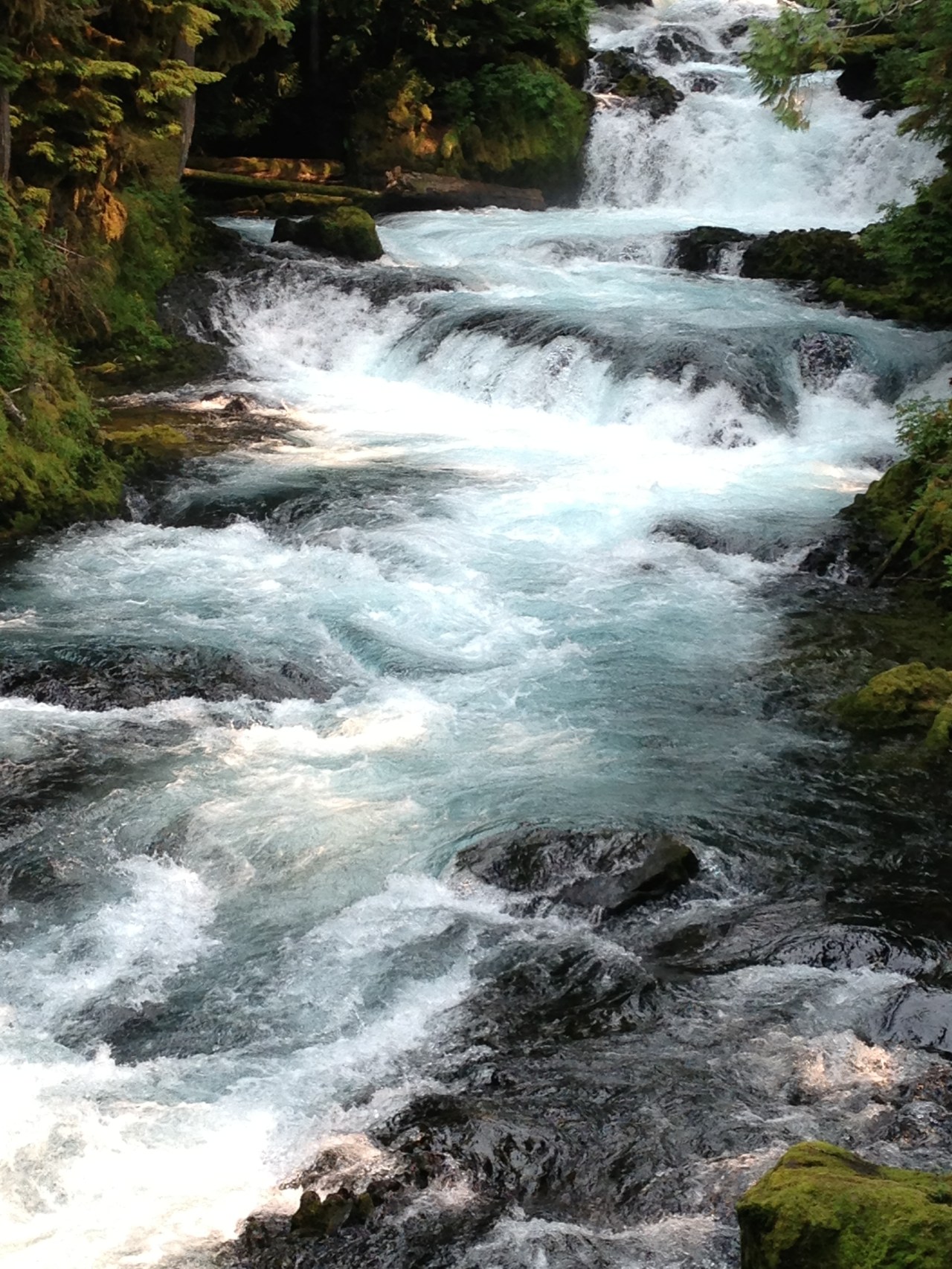
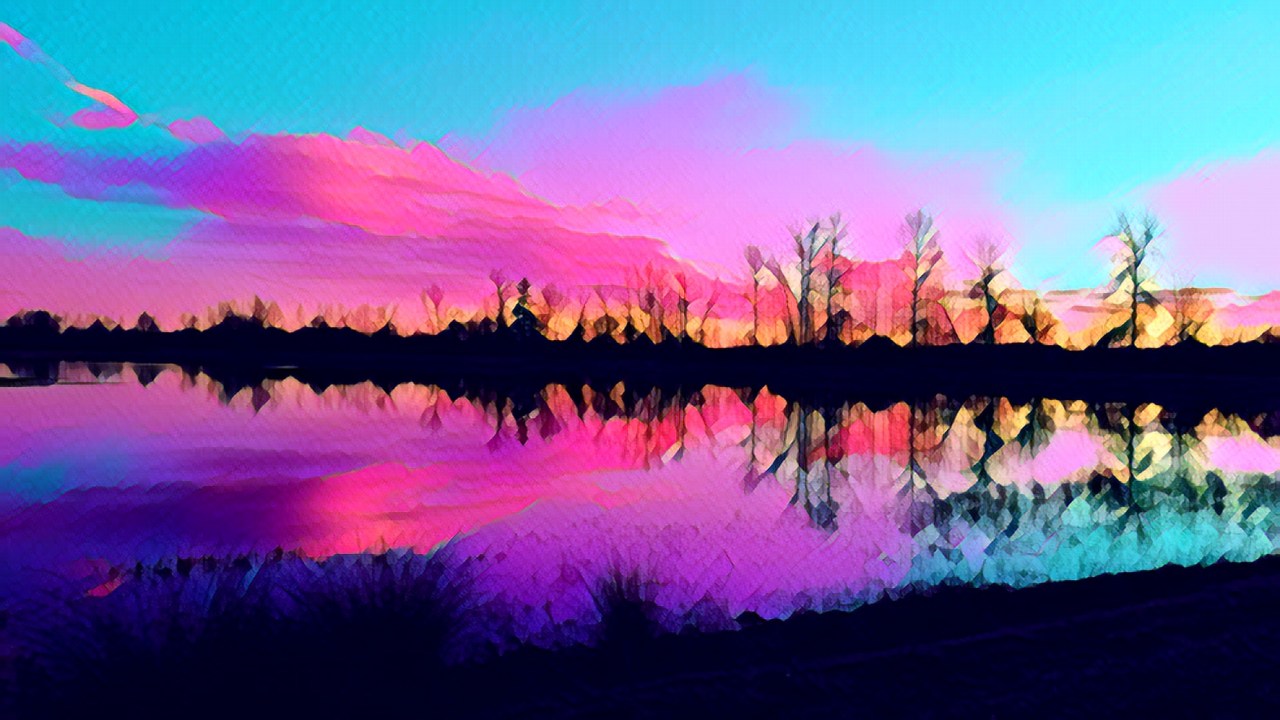
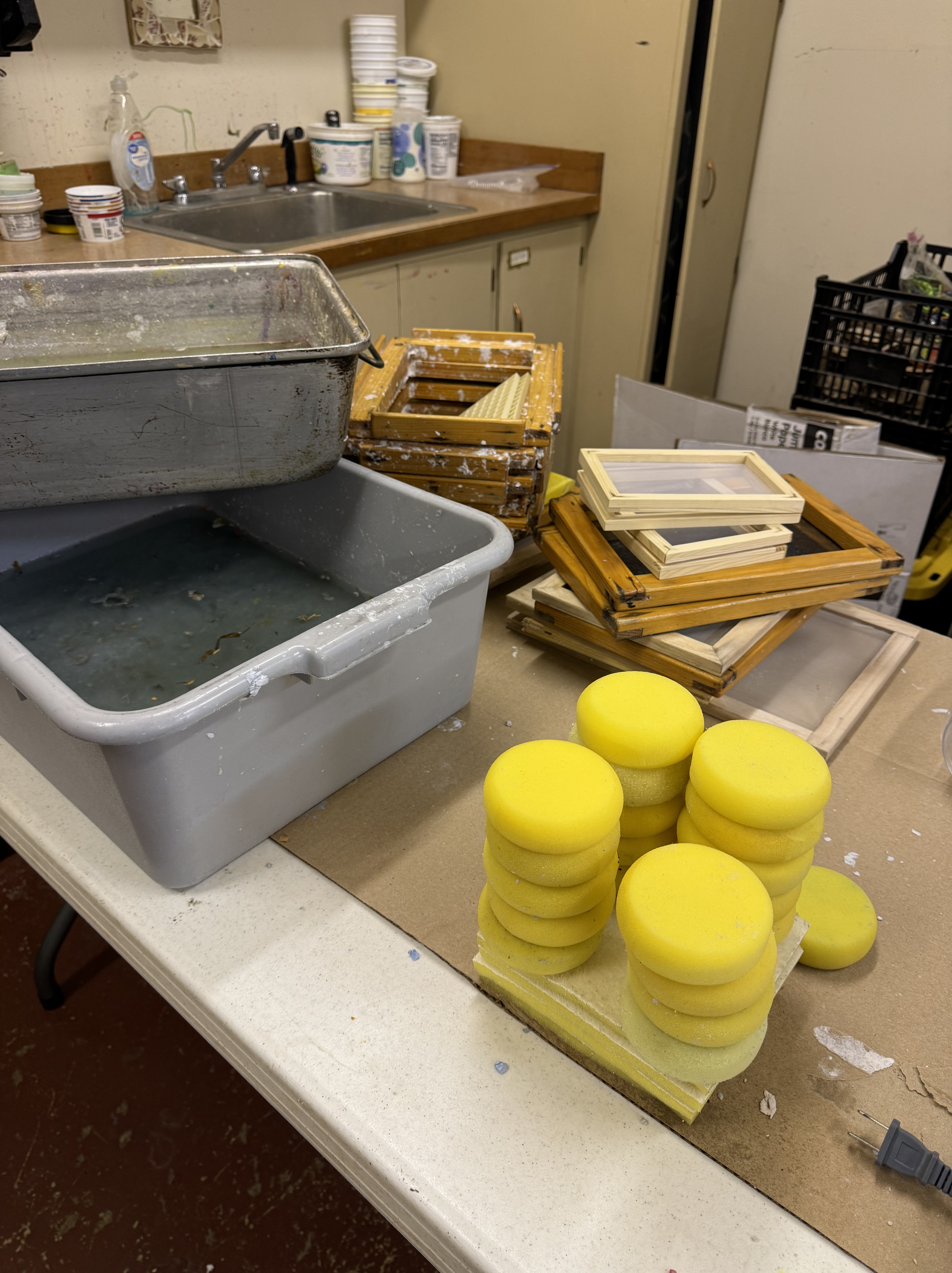
These pictures represent my work with 30+ 3rd/4th grade students who are enjoying summer camp at Drift Creek Camp, in the Siuslaw National Forest up the mountain from Lincoln City, Oregon.

Being at Drift Creek fills so many different parts of my very soul–I worked as a counselor there in the late 1980s (when I learned to play chords on a guitar); before that I worked as a kitchen helper (when I learned how to scrub pots); before that I was a camper (when I wasn’t too afraid to get my tetanus booster); before that I went with my home church group for many years (when I learned how to hike and love the ancient forest).

Being at Drift Creek with campers fills so many other parts of my soul–teaching paper-making, learning to know these young people and soaking up their energy; witnessing their kindness and authenticity; seeing the expressions of creativity; and learning that some of their parents were campers in my cabin when I was a counselor there.

What. A. Gift.

There is still more. My friends Brenda and Tony Kauffman are the camp directors. Being able to spend time with them in this amazing natural place will be a memory I’ll carry with me forever. Maybe next week I’ll take Tony up on his challenge to join in the Polar Bear Swim at 7:00 am.

HERITAGE JOURNALS: STORIES COLLECTED BY 6TH GRADE STUDENTS OF JAQUI EICHER, 2002

Written by: Doris Davis Harnisch

“My grandparents James and Rose Davis were past owners of a donation land claim. Other places were part of this. Walt and I bought part of the Harnisch Farm and built a house in 1948 about a block from Conner School. WE have one or two ancestors buried in the old cemetery on the Bond Farm.

“My earliest memory of Conner School was when I was in the 3rd grade. We had a horse and buggy for transportation for about 2 years. I remember my sister and I sitting on a box in front of my parents who were on the seat. How nice our old used car was when we got it.

“When we finished the 8th grade we did a county test at school to get our diploma. Conner School was one room for all grades. Later the old building was used for a gym. A two-room school was built. Our daughter Janice attended school there for 3 years. It was then that Conner District consolidated with Jefferson. The old building burnt down. The old building was finally sold and used as homes for families. The first years of our marriage we didn’t have electricity. We farmed with horses and finally bought a tractor. We raised a small acreage of sugar beets for seed. We cut them early in the morning so seed wouldn’t shatter. We had help picking up cut ones, laying them back before the mower came around again. Another crop was flax. That didn’t last long. We hired it pulled and had help around the field cutting out any weeds. It was in bundles.

“What a change in farming now! During the war years we raised lots of cannery crops: corn, squash, table beet, dill and mint for oil, sugar beet seed. WE hired help to get out weeds by hand weeding. We did not use any sprays in those days.

“One day we were working in our carrots when Walt called out, “Hit the dirt!” What a sight to see us all flat on the ground. We looked up and saw a large swarm of bees passing over. We had lots of laughs over this.

“I spent many days in the field with the help. We appreciated the good help of the Pisheck family.”

HERITAGE JOURNALS: STORIES COLLECTED BY 6TH GRADE STUDENTS OF JAQUI EICHER, 2002

“Little Woodburn, Oregon was called ‘The Berry Capitol of the World’. Maybe it still is. I don’t know because when I drive through the town now, I don’t see many berry fields anymore.

“I was raised in Woodburn. In the 3rd grade I started walking with my Grandma to the Kahut strawberry field early in the morning, when the sun was just peeking up over the hills. We would pick all day long whether it was hot or whether it was cold, until sometimes 5 in the late afternoon. The fields all over town were loaded with moms and dads and grandmas and grandpas, big children and little children.

“From the end of May to the middle of September, we were picking away — strawberries, loganberries, marionberries, raspberries, blueberries, santiamberries, and of course blackberries. Berries, berries, berries!

“After the long, hot day sometimes my mom would buy me a nice cold ice cream cone. I remember driving to the Molalla or Pudding River and jumping in ver cold water and swimming as fast as I could to warm up. It felt so refreshing after a long hot day in the berry fields.

“Then we’d eat dinner and I’d go to bed about 6:30 – 7pm. I had to get up very early, around 4 am to pick again.

“Every day I would try to beat what I picked the day before. All my money I put into my savings account. When I had enough I would buy a $25, $50, or $100 savings bond. I was saving for college. My parents would buy my clothes and things I needed.

“When I went to high school, I got a job during the summer at Conroy’s Packing Company and guess what we packed? Berries, berries and more berries! I would work 8-12 hours picking out bad berries and stems on a conveyor belt, singing songs in my mind or whistling tunes out loud. I’d try to be the fastest although I was slow by nature. And guess what I would often dream about? You got it: berries! On days the cannery wasn’t working, I was out picking in the berry fields again. I liked picking.

“I was able to pay for three years of college with my savings bond. One year at Marylhurst and two years at University of Oregon before having to take out a school loan to pay for my last year at U of O. I paid that loan off in 9 months after I graduated. Guess how? You’re right!

“Because of Woodburn, Oregon being the berry capitol of the world!”

How To Saunter

(For Owen)

Forget what you left behind if possible; think ‘wander’,

Look ahead, nonchalantly, toward the path,

Only as far as the flowers and

the birds that have nested near the climbing hydrangea.

While we’re on the subject of birds,

study them quietly — let them teach

you about what’s important; notice

their priorities (do they spend time worrying over small things?).

Sauntering requires that you dismiss

the minute, mundane worries of life

and remain free to inhabit

the joyful moments of life instead.

To enjoy life, even the slightest bit,

one must saunter.

Wind Work

To be is too much work.

I crave the wild and wistful wind;

Some days my edginess creeps

in so far — there’s nothing

for it but to go out and let

the wind do its work:

soul building

grace restoring

dust clearing.

The stronger the wind, the longer

I linger. I lean on its breath.

Then, when the world again is

still and the creatures return

to industry, I feel myself moving

through and through the trees;

around and down the river,

into open meadow green and

I am as free and wild again

as the zephyrous wind.

The Enclosure of the Heart

Like a sprouting seed, love climbs

the enclosure of the heart

that has at last allowed

the light of grace to reach it,

tendrils — fragile and leggy —

pull it up and out

of its dark place,

deep in the dank ragged

edges of loneliness

until it flowers, spilling

all its fragrance and color

on any one who will stop and listen.

Up From the River Smiling

A friend once told me she met

her future husband just after

a turbulent river tossed

her out of her small kayak.

My friend, being who she is, showed

up from beneath the icy water

laughing — her bright smile stretched

across her triumphant face.

The man, knowing his own need,

asked, “who is this woman

that came up from dangerous

water smiling?”

He asked to meet her on dry ground.

They loved well and married,

carried out to the sea of life

by that river-smiling moment.

I wonder how I, being who I am,

could meet another who is able

to come up from the river smiling.

I’m familiar with icy water, dangerous

and turbulent; I watch it carefully,

hopeful to someday see the one

who comes up from the river

with a smile on his face.

Listen

Listen to me,

Since you are willing to risk all,

Though the earth dissolve,

What have we to fear?

All power on earth can be overcome

By the will of Love,

Which is so soft that it melts

at a touch.

So splendidly beautiful that

the embrace will forever be

rooted far down into the earth.